Why a trailer comes first
Investors and distributors respond to what they can see. A script asks them to imagine the film; a trailer shows them. For pre-sales, investor pitches, distribution meetings and co-production talks, a cinematic trailer gives you credibility in rooms that are otherwise hard to walk into.
Traditional trailers need a shoot, which means you need the money before you can show the film. AI production breaks that loop: you can show the film before you have raised for it.
Pitch trailer, teaser or sizzle reel?
A pitch trailer tells the story of the film in 90 to 180 seconds: the world, the lead characters, the conflict and the tone. It is the piece you play in an investor meeting or send ahead of a distribution call.
A teaser is shorter and sharper, built to open a conversation rather than close one. A sizzle or mood reel sets the look and feel without a full narrative, which suits documentaries, series and projects still in development. Many producers take a trailer plus a teaser cut, so they have one piece for the room and one for the inbox.
What you get
A pitch trailer of 90 to 180 seconds, built from your treatment, script or concept deck. Alongside it we can deliver a shorter investor teaser cut, a mood or sizzle reel, and concept visualisations of key scenes, characters and locations.
Every piece is produced through our AI film pipeline with Hollywood-trained creative direction, so it looks and sounds like the film you intend to make.
How it works
We start with your material and a short creative session to agree the story, tone and the moments that sell the film. We build the visual world, generate and refine the shots, then edit, score and grade the trailer. You review cuts along the way, and because every frame is generated rather than shot, changes do not mean reshoots.
Trailers we have made
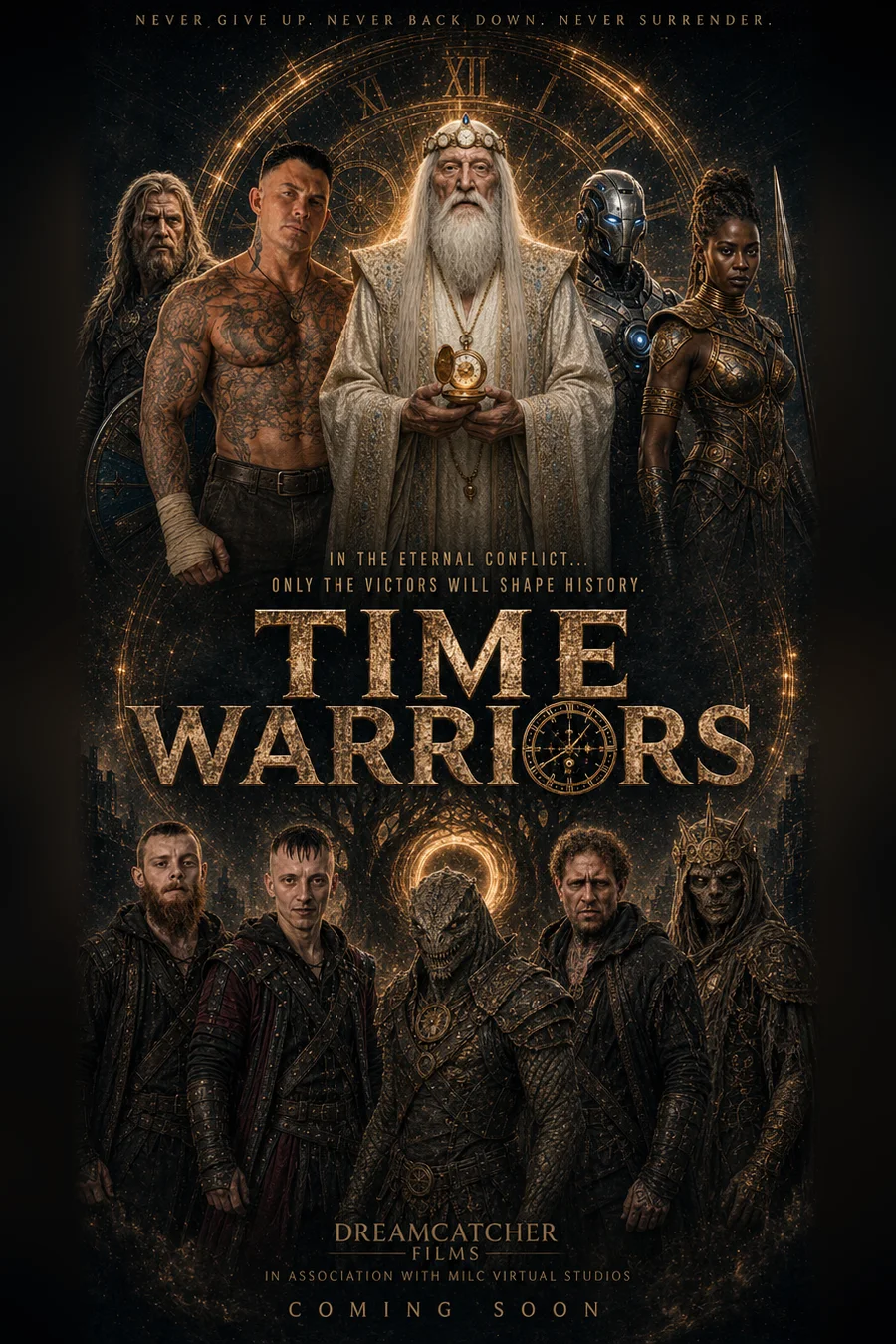
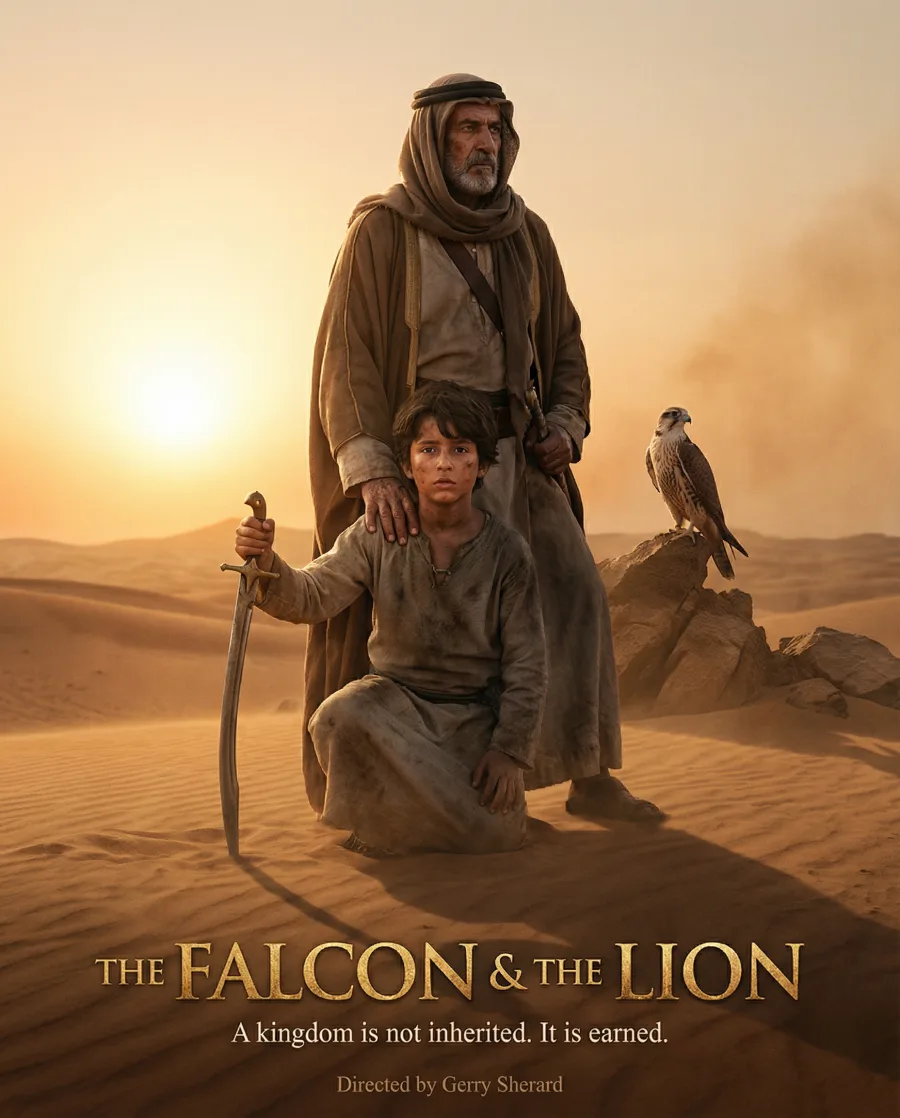
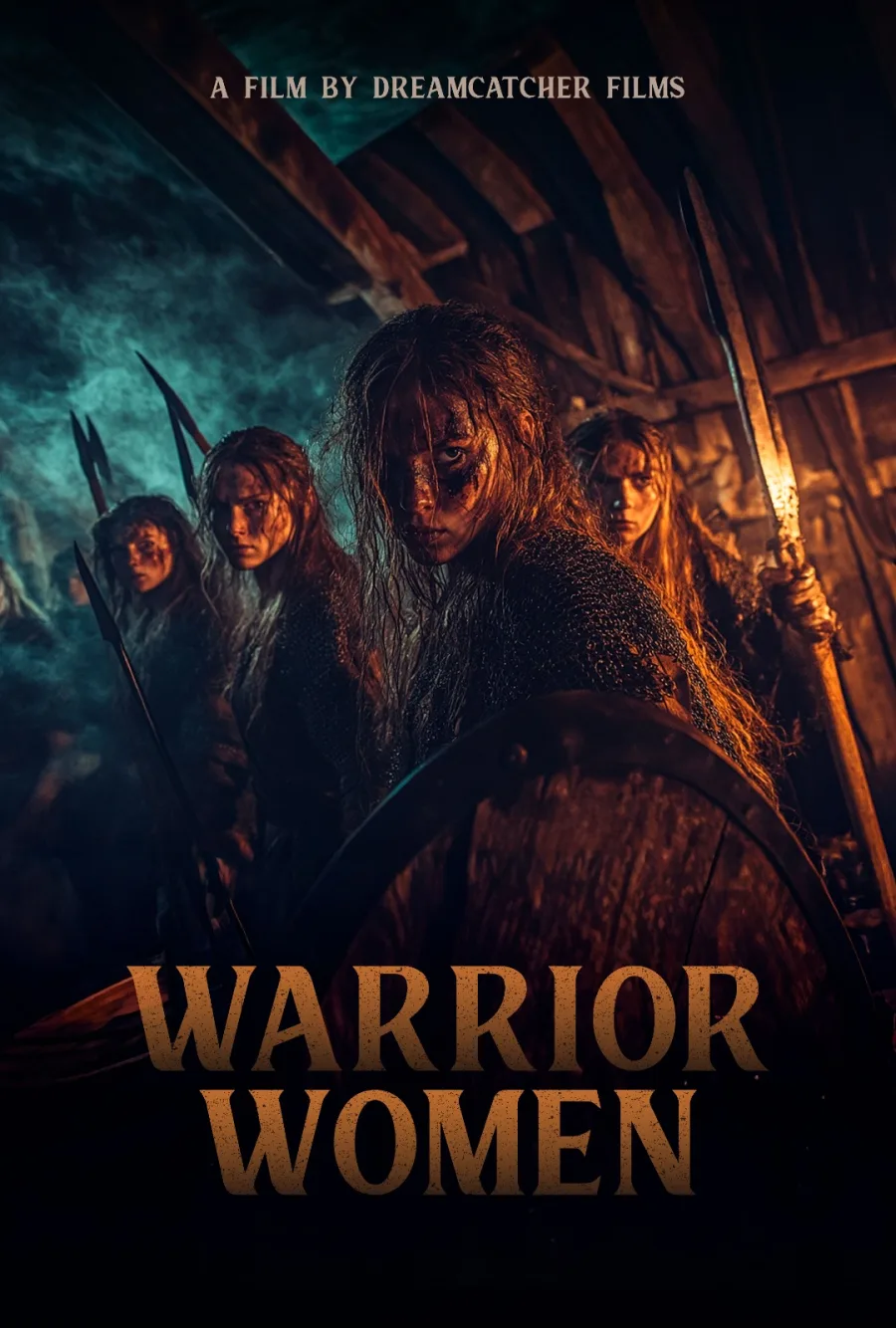
Our own slate is built this way. Time Warriors, Warrior King and Warrior Women all have trailers or teasers produced through our pipeline, and they are the same trailers we use to talk to investors today.
Where producers use them
Investor and equity pitches, pre-sales conversations with distributors and sales agents, co-production talks, film market meetings, crowdfunding campaigns and approaches to lead talent. A trailer also gives your team a shared picture of the film before anyone commits to a shooting budget.
Because the footage is generated, the trailer can show things a low-budget proof of concept could never afford: battle scenes, period cities, storms at sea, crowds of thousands.
What we need from you
Your script or treatment, any look book or concept art you already have, and a clear sense of who the trailer is for. If the trailer should feature a real actor's likeness or voice, we put written consent in place before production begins. We agree the script of the trailer and the visual direction with you before any shots are generated, so there are no surprises in the first cut.
Frequently asked questions
How long should a pitch trailer be?
Most of our pitch trailers run 90 to 180 seconds. Long enough to establish the world and the stakes, short enough to hold a room. We usually cut a 30 to 60 second teaser from the same material.
How long does an AI film trailer take to make?
Days rather than months. The exact schedule depends on length and complexity, and we agree it with you at the start. You review cuts as we go, and changes do not mean reshoots.
How much does an AI pitch trailer cost?
Our work is priced per finished minute, from £1,200 to £3,600, and up to £4,600 per minute for high-end cinematic work. A 2 to 3 minute film typically costs about £6,900 to £8,000, compared with $80,000 to $150,000 for a comparable traditional pitch video. We quote a fixed price once we have seen your brief.
Can the trailer feature real actors?
Yes, with their clear, written consent. Many producers attach talent to the trailer to show investors who will lead the film. We will not create or use anyone's likeness or voice without it.
Who owns the trailer?
You commission it and you use it to raise for your film. Copyright in AI-assisted work depends on where you are and how much human creativity goes in, so we recommend taking legal advice for your specific project.